
In 2014 I relocated from London to the coast, not knowing a soul. Standing on the shore for the first time, feeling the quietness of the sea exposed the noise I had within me. That discord started ten years of practice of what I term as ’emotional equalisation’ – painting to harmonize my inner frequency with the changeable rhythms of the sea.
My view of the sea resembles an old graphic equaliser: when the treble of my life speeds too high and the bass of the ocean lies too low, I paint to find the balance. The sea is not a topic in my work, but a presence – living, changeable, and unpredictable. It observes everything – ships and shipwrecks, sailing boats, voices, lights, the sonar ping of sea creatures – and yet remains constant in its inconsistency. Tides disappear and come back. To me, this is something I cherish when so much in life does not return.
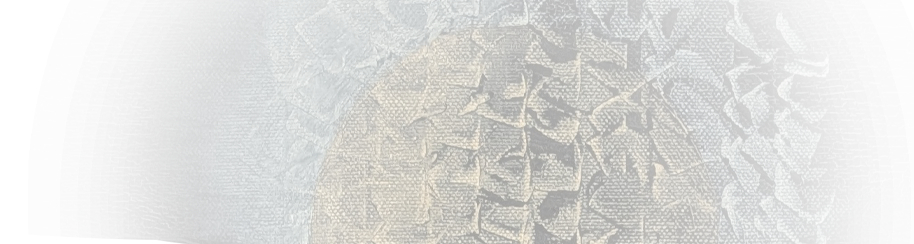
Adding plaster to my work was a reaction to my fear of the blank canvas, which turned out to be a new language, as well as a method of giving a voice to my paintings before the introduction of colour. Textural reliefs are a reflection of emotional steps, making what I’m hearing in the white noise of the sea palpable. I work rapidly and organically because I’m not trying to take a picture of the sea visually but, rather, to ring true with it, to catch that moment when my internal noise finds harmony with what the water holds.
Within the oil paint and plaster layers, I leave room for the viewer to discover their own language in water. I believe water is a source, not a resource, with its own presence. I have been intrigued over the years by how matter becomes movement and colour imbues feelings, wordlessly. If my art provides someone with that momentary respite of standing on the shore – acknowledging their own internal state, feeling small and boundless at once – then it has fulfilled its mission.